Overview
Orthoses are proven effective for improving walking quality in CMT patients, but unfortunately are often underused. Studies show that while 70% of patients are prescribed orthoses, many patients ultimately don't use them or abandon them.
70%
Get orthoses prescribed
50%
Never use them or stop using them
59%
Experience complications
41%
Use them successfully long-term
Why Are Orthoses Important?
- Foot drop prevention: Keep toes lifted during walking
- Stability improvement: Better balance and support
- Fall prevention: Reduced risk of tripping
- Energy conservation: More efficient walking pattern
- Pain reduction: Less stress on muscles and joints
Types of Orthoses
🦶 AFO - Ankle-Foot Orthosis
The most common orthosis for CMT patients, supporting both ankle and foot.
Solid AFO
- Maximum stability
- Complete ankle immobilization
- Best for severe foot drop
- Highest support level
Hinged AFO
- Ankle movement allowed
- More natural gait pattern
- Better proprioception
- Preferred when possible
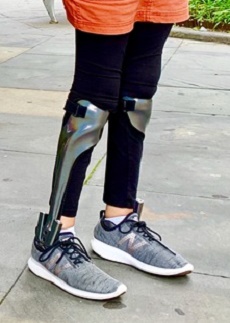
Ground Reaction AFO
- Knee stability support
- For quadriceps weakness
- Extends above ankle
- More comprehensive support
Carbon Fiber AFO
- Lightweight material
- Energy return properties
- Better aesthetics
- Higher cost
Innovative Technologies
⚡ NeuroSwing Technology
Revolutionary advancement: NeuroSwing AFOs use dynamic carbon fiber technology that stores and releases energy during walking, providing more natural movement and reducing fatigue.
- Energy return: Springs back during toe-off phase
- Reduced effort: Less energy required for walking
- Natural feel: More like normal walking
- Improved endurance: Can walk longer distances
🔧 Custom vs. Pre-fabricated
Custom-made AFOs
- Perfect individual fit
- Specific to foot deformities
- Higher cost
- Longer delivery time
- Best outcomes
Pre-fabricated AFOs
- Immediate availability
- Lower cost
- Standard sizes
- Limited adjustability
- Good for trials
Footwear and Insoles
👟 Orthopedic Shoes
- Extra depth: Accommodates foot deformities
- Wide toe box: Room for hammer toes
- Firm heel counter: Ankle stability
- Rocker sole: Easier push-off
- Velcro closures: Easy to put on
🦶 Custom Insoles
- Arch support: For high arches (pes cavus)
- Metatarsal pads: Pressure relief
- Heel cups: Stability and cushioning
- Toe fillers: For claw toes
- Shock absorption: Comfort improvement
🏃♂️ Athletic Shoes
- Lightweight design
- Good shock absorption
- Flexible forefoot
- Stable heel counter
👔 Dress Shoes
- Professional appearance
- Hidden orthotic accommodation
- Leather construction
- Business appropriate
Upper Extremity Support
✋ Hand and Wrist Orthoses
- Wrist splints: Support for weak wrists
- Thumb splints: Opposition assistance
- Finger splints: For deformity prevention
- Resting hand splints: Night-time positioning
🔧 Adaptive Equipment
Kitchen Tools
- Built-up handles
- Electric can openers
- Ergonomic utensils
- Non-slip cutting boards
Writing Aids
- Weighted pens
- Pencil grips
- Voice recognition software
- Ergonomic keyboards
Dressing Aids
- Button hooks
- Zipper pulls
- Sock aids
- Elastic shoelaces
Personal Care
- Electric toothbrushes
- Built-up handles
- Pump dispensers
- Long-handled brushes
Mobility Assistance
🚶♂️ Walking Aids
- Walking sticks: Lightweight support
- Forearm crutches: Better weight distribution
- Rollators: Four-wheeled walkers with seat
- Wheelchairs: Manual or electric options
🏠 Home Modifications
- Grab bars: Bathroom and stair safety
- Ramps: Wheelchair accessibility
- Stair lifts: For multi-level homes
- Raised toilet seats: Easier transfers
- Shower chairs: Safe bathing
Getting the Right Fit
👩⚕️ Professional Assessment
- Orthotist consultation: Specialist in orthotic devices
- Gait analysis: Walking pattern evaluation
- Foot examination: Deformity assessment
- Functional testing: Activity-specific needs
🔄 Follow-up Care
Regular maintenance is crucial: Orthoses need adjustment as CMT progresses. Schedule follow-up appointments every 6-12 months or when problems arise.
- Fit adjustments: As foot shape changes
- Wear pattern assessment: Signs of misalignment
- Skin integrity checks: Pressure point monitoring
- Functional updates: As needs change
Common Problems and Solutions
❌ Why People Stop Using Orthoses
- Poor fit: Pressure sores, discomfort
- Cosmetic concerns: Appearance issues
- Shoe limitations: Can't wear preferred footwear
- Skin problems: Irritation, sweating
- Lack of improvement: Unrealistic expectations
✅ Solutions for Better Compliance
Proper Education
- Realistic expectations
- Proper use instructions
- Gradual break-in period
- Maintenance guidelines
Quality Fabrication
- Expert orthotist
- Quality materials
- Precise measurements
- Multiple fittings
Ongoing Support
- Regular follow-ups
- Quick adjustments
- Problem solving
- Emotional support
Modern Options
- Lightweight materials
- Better aesthetics
- Advanced technologies
- Custom colors/patterns
Insurance and Costs
💰 Coverage Options
- Medical insurance: Often covers medically necessary orthoses
- Medicare/Medicaid: Government program coverage
- Workers' compensation: If work-related
- Vocational rehabilitation: For employment needs
📋 Documentation Requirements
- Physician prescription: Medical necessity
- Diagnosis codes: Specific CMT type
- Functional assessment: Impact on mobility
- Prior conservative treatment: Non-surgical attempts