What is CMT?

Charcot-Marie-Tooth (CMT) is a hereditary, progressive disorder of the peripheral nerves affecting roughly 1 in 2,500 people.

1 / 2.500

people have CMT

±2,5 mln

worldwide

100+

genes involved

1886

first described

CMT

CMT types at a glance

CMT is classified by the genetic defect and which part of the nerve is affected.

CMT160–70%
Demyelinating
Affected
Myelin sheath
Inheritance
Autosomal dominant
Gene
PMP22 (CMT1A)
Severity
CMT220–30%
Axonal
Affected
Axon (nerve fibre)
Inheritance
Autosomal dominant
Gene
MFN2, MPZ, …
Severity
CMTX10–15%
Mixed form
Affected
Myelin & axon
Inheritance
X-linked
Gene
GJB1 (Connexine 32)
Severity
CMT4±5%
Recessive
Affected
Mostly demyelinating
Inheritance
Autosomal recessive
Gene
div. genen
Severity

What goes wrong in the nerve?

A nerve cell carries signals from the spinal cord to the muscles. In CMT this process is disrupted.

A healthy nerve cell

Cell bodyAxon (nerve fibre)Myelin sheath (insulation)Node of RanvierNerve ending → muscle

CMT1 — damaged myelin

The insulating layer around the nerve is affected, strongly slowing down signal transmission.

CMT2 — damaged axon

The nerve fibre itself is damaged, so fewer signals reach the muscle.

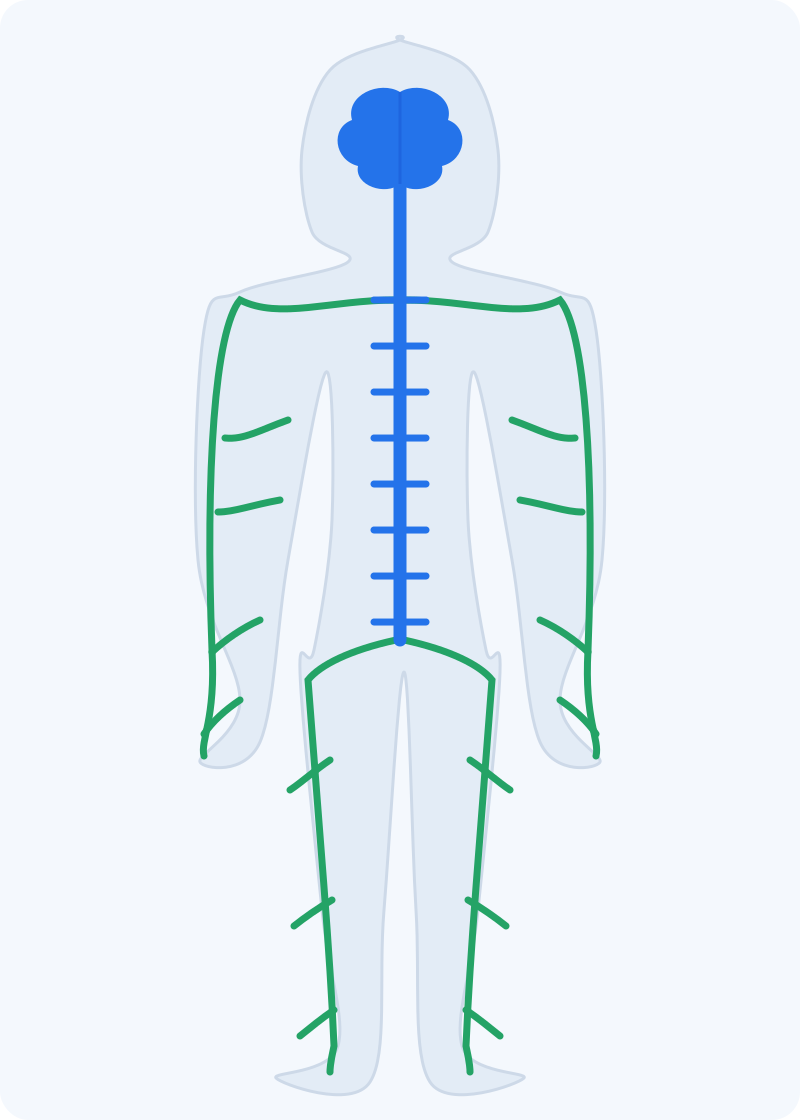
Which part of the nervous system?

The central (brain/spinal cord) and peripheral nervous system.

Central nervous system

Brain and spinal cord. The seat of thinking, memory and awareness.

Peripheral nervous system

All nerves outside the brain and spinal cord, to muscles and skin. CMT affects only this part.

Because CMT only affects the peripheral nerves, it does not impact intelligence, memory or personality.
🔍

Learn to recognize the early warning signs of CMT. From weakness in feet to numbness in hands - discover what's normal and what's not.

  • Weakness in feet and legs
  • Numbness and tingling
  • Balance problems
  • Foot deformities
Learn more about symptoms → 🩺

Discover how CMT is diagnosed and what tests are needed. From first consultation to definitive confirmation.

  • Nerve conduction studies (EMG)
  • Genetic testing
  • Clinical examination
  • Family history
Learn more about diagnosis → 🔬

Stay informed about the latest CMT research and developments. From new treatments to clinical studies.

  • Current clinical studies
  • New treatment methods
  • Genetic research
  • International collaboration
Learn more about research →

Why good information is important

CMT is a complex condition that affects each person differently. Good, reliable information helps you to:

✓ Recognize symptoms early ✓ Find the right healthcare providers ✓ Make informed decisions ✓ Improve your quality of life